Archaeobotany focuses on the recovery of macroscopic (coals, seeds, fruits, food remains, fungi, tissues) and microscopic (starches, spores, pollen, phytoliths) plant remains, with the aim of understanding changes in the environment, subsistence and food from prehistoric times to the present.
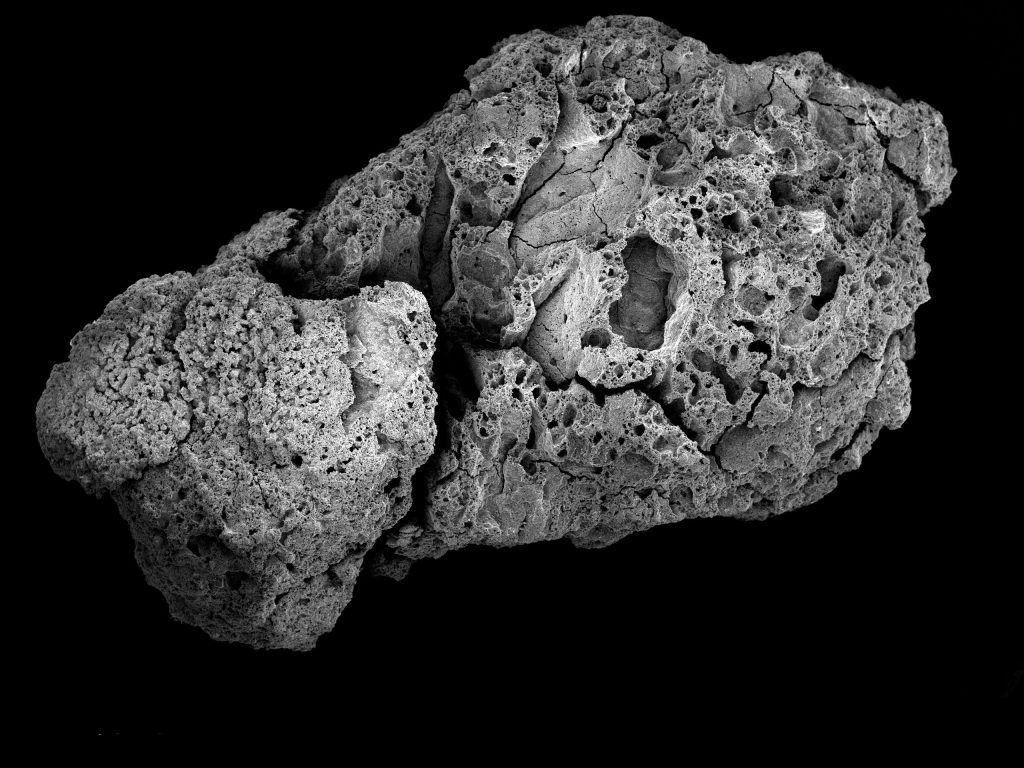
Arkeotek’s objective is to promote the implementation of this type of studies in archaeological excavations, making available to the scientific community, archaeological groups, public entities and others, the knowledge and means available to carry out this type of analysis. Arkeotek adapts to the needs and requirements of each case, which can range from simple advice to a comprehensive study that includes sampling, sample processing and final reporting, as we have included in our services section.
This visualisation is the product of MSc research undertaken in 2016-2017 at the School of SimVis, Glasgow School of Art (Pantos A, 2022). It is was undertaken in collaboration with the Shubayqa project led by Tobias Richter at the University of Copenhagen, and sought to explore the role that visualisation plays in the creation of archaeological knowledge, functioning as a communication tool in the space between research specialisms. In particular it focused how this role was and might change with the rise of integrated data platforms and ever more elaborate 3D visualisation platforms.
The visualisation itself is basic, and the technology and possibilities available have changed enormously since the study was undertaken, especially since the recent advent of generative image and video AI. Nevertheless many of the challenges, and questions about the role technology in our thinking and understanding still remain.
The thought behind the project, and perhaps more importantly the references to work that informed it can be found in the following publication:
Pantos, A. (2022). Negotiating the Past in a Joined-Up World: In Digital Heritage and Archaeology in Practice. https://doi.org/10.2307/j.ctv2pfq2jj.14