ERC Palaeorigins: Sites
|
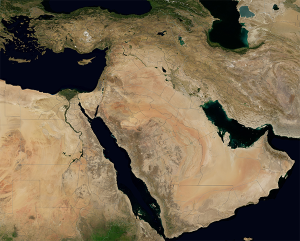
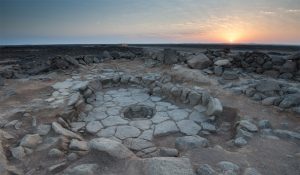
Qa’ Shubayqa (Shubayqa 1, Shubayqa 3 y Shubayqa 6) The Qa’ Shubayqa is a mudflat situated in the eastern Jordanian badia, the Harrat ash-Sham. Since 2012, fieldwork under the auspices of the University of Copenhagen in collaboration with the Department of Antiquities of Jordan has investigated a number of Late Epipalaeolithic and Pre-Pottery Neolithic sites dotted around the edge of the qa’. The two most intensively excavated sites are Shubayqa 1 and 6. Shubayqa 1 is a Late Epipalaeolithic Natufian locality that was occupied between 14.900 – 11.400 years ago. The nearby settlement at Shubayqa 6 dates to the final Epipalaeolithic and Pre-Pottery Neolithic A, with a sequence of occupation spanning 12.400 – 11.500 years ago. Both sites have produced evidence for multiple buildings, large numbers of flaked and polished stone artefacts, beads, animal bone, and ornaments, as well as significant botanical assemblages.An emergency excavation was carried out at Shubayqa 3, documenting archaeological deposits from the Epipaleolithic period. |
Shubayqa 1 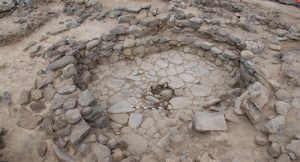
Shubayqa 6 |
|
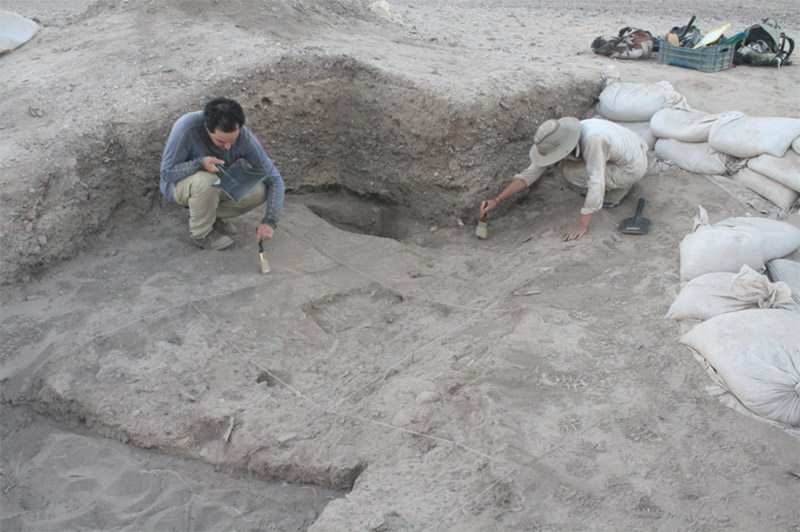
Kharaneh IV Kharaneh IV is a multi-component Epipalaeolithic site located in the Eastern Desert of Jordan, approximately 70 km east of Jordan’s capital Amman at the western edge of the Azraq Basin. It is an exceptionally large Epipalaeolithic site, approximately 21000 m2 in size, making it one of the largest Terminal Pleistocene occupations in the Levant. The most abundant artefacts at the site are chipped stone tools, with an estimated two million lithic excavated to date. In addition to chipped stone, the site contains abundant faunal, shell, and worked bone artefacts. Current excavations are directed by Lisa Maher (University of California, Berkeley) and Danielle Macdonald (University of Tulsa) as part of the larger Epipalaeolithic Foragers in Azraq Project (EFAP) and have been ongoing since 2008. The Kharaneh IV project explores the nature of interaction and aggregation at the end of the Pleistocene through the multi-component Early and Middle Epipalaeolithic site Kharaneh IV, Jordan. The high density of artefacts, repeated occupation, and the presence of multiple habitation structures suggests that Kharaneh IV was a hunter-gatherer aggregation site -a focal point on the landscape for community interaction. To address long-term changes and explore the nature of hunter-gatherer behaviour at the cusp of agriculture, this project examines the high-resolution archaeological record of multi-season, prolonged, and repeated habitation of the region’s largest and densest hunter-gatherer aggregation site. |
 |
|
Abu Hureyra Abu Hureyra (35° 52′ N, 38° 24′ E) is an archaeological site that is currently submerged on the edge of the Euphrates River valley in Syria. It was occupied from approximately 13,500 to 7,500 cal BP, and therefore has occupations from the Natufian to the Ceramic Neolithic periods. The site consists of two superimposed settlements, Abu Hureyra 1 (ca. 13,500-11,500 cal BP) and Abu Hureyra 2 (ca. 10,600-7500 cal BP), linked by an intermediate episode of occupation (ca. 11,500-10,600 cal BP) (Moore et al. 2000). |
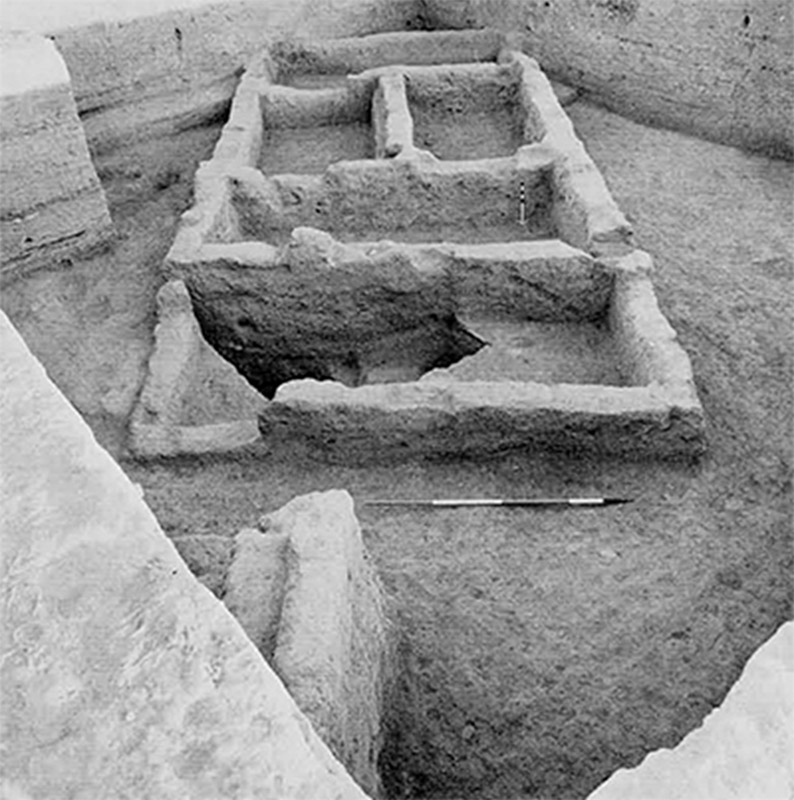
D. Schmandt-Besserat, Penn Museum |
Tor Hamar
Tor Hamar is one of the Palaeolithic sites located in the Jebel Qalkha area, in southern Jordan. From 1983 to the present day, various excavation campaigns have been carried out, during which lithic artifacts, shell ornaments, faunal and botanical remains have been recovered.
*(Geopolitical note): On 24 April 2024, the University of the Basque Country approved a Manifesto of Support for Palestine. The Arkeotek group and its members support this manifesto and express their willingness and commitment not to collaborate with those who support or contribute to the genocide of the Palestinian people.